

Augmented Reality in Spine Surgery
What is Augmented Reality in Spine Surgery?

Augmented reality (AR) in spine surgery is a state-of-the-art navigation system that allows your surgeon to view your spine anatomy in 3D through the skin as if your surgeon had “X-ray vision” and assists them to precisely navigate instruments and implants during spinal implant surgery. Contrary to traditional navigation systems, AR allows surgeons to do this while keeping their eyes directly on the patient, rather than looking over at a computer screen.
How Does Augmented Reality in Spine Surgery Work?
Augmented reality utilizes AR glasses or an AR headset to provide your surgeon with “X-ray” vision by combining computer-generated pictures with real-life visuals. Your spine surgeon acquires “X-ray vision” with the headset where he can receive detailed pictures of your unique spine anatomy before even beginning the surgery. Your surgeon will put on a headset with glasses that has a small computer in it that can overlay the pictures of your bones onto their visual field. For example, they see your skin but in the corner of their glasses, they can see the bones as if they are peering through your skin. Not only can these AR glasses show your bones but they can also enable your surgeon to view your bone density, your blood work, your vital signs, and lab results, all while they are performing the surgery.
Indications for Augmented Reality in Spine Surgery
Augmented reality can be utilized to perform various AR-linked surgical procedures to correct deformities in the spine. These include:
- Pedicle screw instrumentation
- Spinal injection
- Vertebroplasty
- Tumor resection procedures
- Kyphoplasty
- Spinal biopsies
- Spinal fusion
- Spinal deformity correction, such as correction of scoliosis
- Treating degenerative spine diseases in the cervical, thoracic, and lumbar regions
- Augmented reality-assisted rod bending in spinal surgery
Benefits of Augmented Reality in Spine Surgery
Some of the benefits of augmented reality in spine surgery include:
- Smaller incisions
- Less blood loss
- Minimal surgery-related complications
- Shorter hospital stay
- Improved patient safety
- Less radiation exposure
- More personalized procedures
- Improved surgical accuracy and precision in implant placement
- Improves overall efficiency of surgery
Risks and Complications
Augmented reality spine surgery is a relatively safe procedure; however, as with any surgery, some risks and complications may occur, such as:
- Infection
- Bleeding
- Hardware failure
- Adverse reactions to anesthesia
- Blood clots or deep vein thrombosis (DVT)
- Damage to surrounding soft tissues
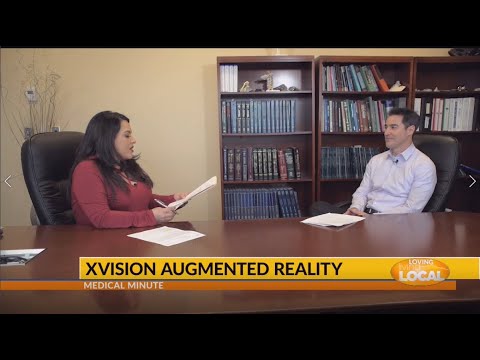
Xvision - Augmented Reality with Dr. Roger Sung (Medical Minute)
This video features a discussion between a host and "Dr. Roger Sung" from the Colorado Springs Orthopaedic Group regarding the implementation of "Xvision Augmented Reality" technology in spinal surgery.
xvision - Augmented Reality Spine Surgery System
Learn how the xvision® Augmented Reality Spine Surgery System is designed to enhance visualization and surgical guidance during spine procedures.
For more information about our services or to schedule an appointment, call us at or click here to request an appointment online. We'll respond to you as soon as possible.