

Advanced Artificial Intelligence (AI) Systems for Surgical Planning and Safety
What are Advanced Artificial Intelligence (AI) Systems for Surgical Planning and Safety?
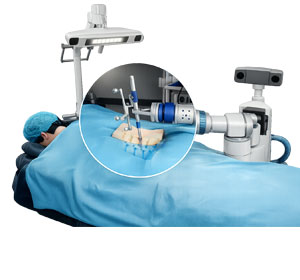
Advanced Artificial Intelligence (AI) Systems for Surgical Planning and Safety refer to the use of sophisticated computer algorithms and machine learning models to assist surgeons in preoperative planning, intraoperative guidance, and postoperative assessment to improve precision, safety, and patient outcomes.
What are the Key Features of Advanced Artificial Intelligence (AI) Systems for Surgical Planning and Safety?
Key features of advanced AI systems for surgical planning and safety include the following:
- Preoperative Planning: Automated analysis of CT/MRI scans and 3D modeling for implant selection, screw trajectory, and alignment correction.
- Intraoperative Navigation: Real-time guidance of instruments with AI-assisted tracking and visualization.
- Robotic Integration: AI-driven robotics for precise and minimally invasive procedures.
- Safety Monitoring: Detection of deviations, critical structure alerts, and complication prediction.
- Predictive Analytics: Assessment of patient-specific risks and postoperative outcomes.
- Workflow Optimization: Streamlining surgical steps, documentation, and checklist adherence.
- Simulation & Training: AI-powered VR/AR tools for surgeon education and procedural rehearsal.
- Data Integration: Combining imaging, sensor, and patient data for comprehensive decision support.
What are the Indications for Advanced Artificial Intelligence (AI) Systems for Surgical Planning and Safety in Orthopedic Spine Surgery?
Indications for advanced AI systems in orthopedic spine surgery focus on cases where precision, safety, and complex planning are critical. These systems are commonly indicated for:
- Spinal deformity correction (scoliosis, kyphosis) where accurate alignment and multi-level planning are required.
- Complex spinal fusions (cervical, thoracic, or lumbar) needing precise pedicle screw placement.
- Revision spine surgery where altered anatomy increases the risk of complications.
- Minimally invasive spine procedures where visualization is limited and navigation support is essential.
- Tumor resections or spinal trauma cases where critical structures must be avoided.
- High-risk patients (osteoporotic bone, severe comorbidities) where predictive analytics can help reduce complications.
How is Advanced Artificial Intelligence (AI) Systems for Surgical Planning and Safety Applied in Orthopedic Spine Surgery?
Advanced Artificial Intelligence (AI) Systems are applied in orthopedic spine surgery to improve accuracy, efficiency, and patient safety throughout the surgical process. Before surgery, AI analyzes imaging data such as CT or MRI scans to create 3D spine models and assist in precise surgical planning, including implant sizing and screw trajectory selection. During surgery, AI-powered navigation and robotic systems use real-time imaging and sensor feedback to guide instruments, ensure accurate alignment, and prevent damage to critical structures like nerves and blood vessels. AI also enhances intraoperative safety by monitoring procedure steps, predicting potential complications, and alerting the surgical team to deviations from the plan. After surgery, AI continues to assist by evaluating recovery progress, predicting outcomes, and supporting personalized rehabilitation planning.
What are the Benefits of Advanced Artificial Intelligence (AI) Systems for Surgical Planning and Safety?
Advantages of advanced AI systems for surgical planning and safety include the following:
- Enhanced surgical accuracy through precise preoperative planning and 3D modeling.
- Improved implant placement and alignment, reducing human error.
- Real-time intraoperative guidance via AI-powered navigation and robotics.
- Increased patient safety by predicting complications and monitoring critical structures.
- Reduced operative time and radiation exposure.
- Minimized tissue damage and surgical trauma.
- Support for personalized postoperative care and faster recovery.
- Standardization of procedures, improving consistency across surgeons.
For more information about our services or to schedule an appointment, call us at or click here to request an appointment online. We'll respond to you as soon as possible.